Tank capacity and recovery
A tank system should provide suitable stored volume and recovery for typical peak use without relying on an unnecessary size increase.
Compare tank and tankless options through household demand, recovery, flow, fuel or electrical capacity, venting, water conditions and total installation scope.
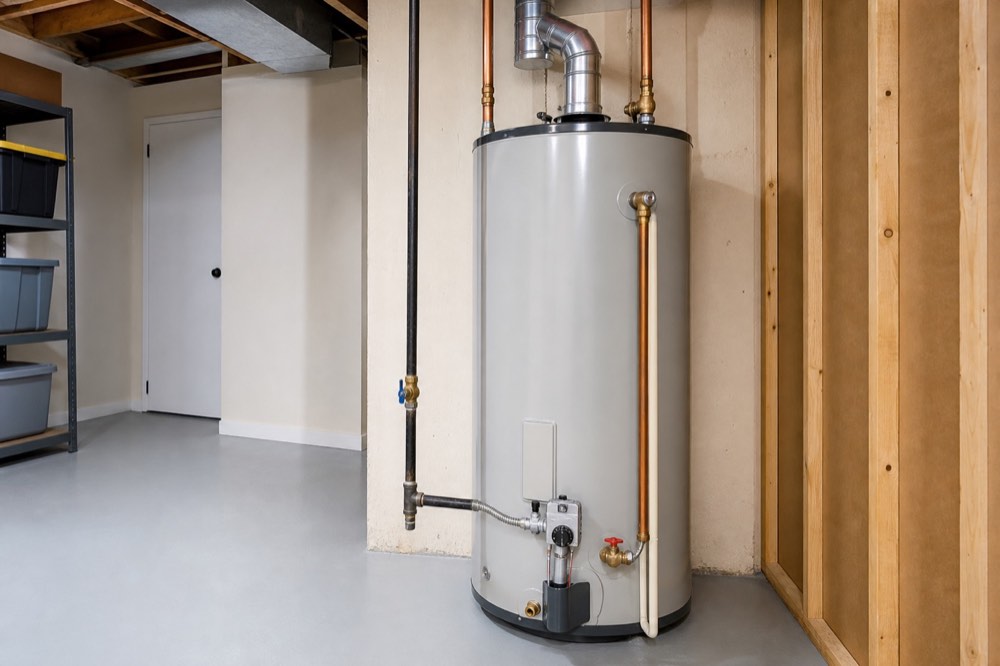
Capacity, connected systems, controls, available utilities, installation conditions and the way the home is used should all support the recommendation.
These points help turn a product choice into a project that fits the actual property and ownership priorities.
A tank system should provide suitable stored volume and recovery for typical peak use without relying on an unnecessary size increase.
Tankless selection depends on inlet temperature, flow, simultaneous demand and available fuel or electrical capacity, as well as venting and drainage.
Temperature control, relief protection, venting and water quality can influence performance, maintenance and equipment life.
A useful proposal identifies the work required to remove the old system, prepare the site, connect the new equipment and verify operation.
Confirm existing-equipment removal, access, protection of the home and any preparation required before the new system is set.
Identify included duct, piping, venting, drainage, electrical, fuel, control and mounting work that applies to the installation.
Clarify the operating checks, control setup and basic performance confirmation completed before handoff.
Receive applicable written warranty, maintenance and operating information and understand which future items remain your responsibility.
The recommendation should connect equipment selection to the home, the current system and the comfort outcome being addressed.
Compare equipment, labour, materials, controls, removal, modifications, permits where applicable, startup and handoff on equal terms.
Understand maintenance, applicable written warranties, any registration steps and who to contact if the result needs follow-up.
Share the service address, current system, approximate age if known, reason for replacement and the best contact information. You do not need to select a model first.
Your information is used only to respond to your service request. Privacy policy
Our approach keeps the work understandable and the decisions in your hands.
Tell us what changed, when it started and which system is affected.
We inspect the system, identify likely causes and explain practical options before approved work begins.
Approved work is completed carefully, then operation and basic performance are checked before handoff.
Clear information helps you decide when to call and what to expect next.
The answer depends on household demand, available utilities, installation conditions, space, maintenance expectations and ownership priorities.
Sometimes, but access, clearances, venting, drainage, fuel or electrical supply and the selected equipment must be confirmed.
Not always. Heating performance, recovery, controls, plumbing or a change in household demand may also be involved.
It should identify the recommended equipment, why it suits the home, the included installation work, total project price, applicable written warranties and the expected next steps.
Yes. Availability, eligibility, rates, fees and terms can change, so review current written information after the project scope is clear.
No. A request begins a conversation. Equipment, scope, price, schedule and any payment-plan terms are confirmed separately.
Request a new-system conversation to compare equipment, complete installation scope and the current options applicable to your project.
Ask about eligible $0-upfront payment plans. A deferred-payment option may also allow the first payment 30 days after installation. Approval and current written program terms apply.
Your information is used only to respond to your request. Privacy policy

Enter your contact details and M&M will contact you to review one written furnace, AC, heat-pump, boiler or water-heater replacement quote—no purchase required.