A heat pump can be part of a plan for both winter heating and summer cooling. Choosing one starts with understanding your home's needs, existing equipment and priorities. M&M Home Comfort helps homeowners in Vaughan, Toronto and nearby GTA communities explore heat pump installation and replacement options. Call 289-637-3541 for a free quote and a conversation about a suitable system for your property.
One technology, several possible arrangements
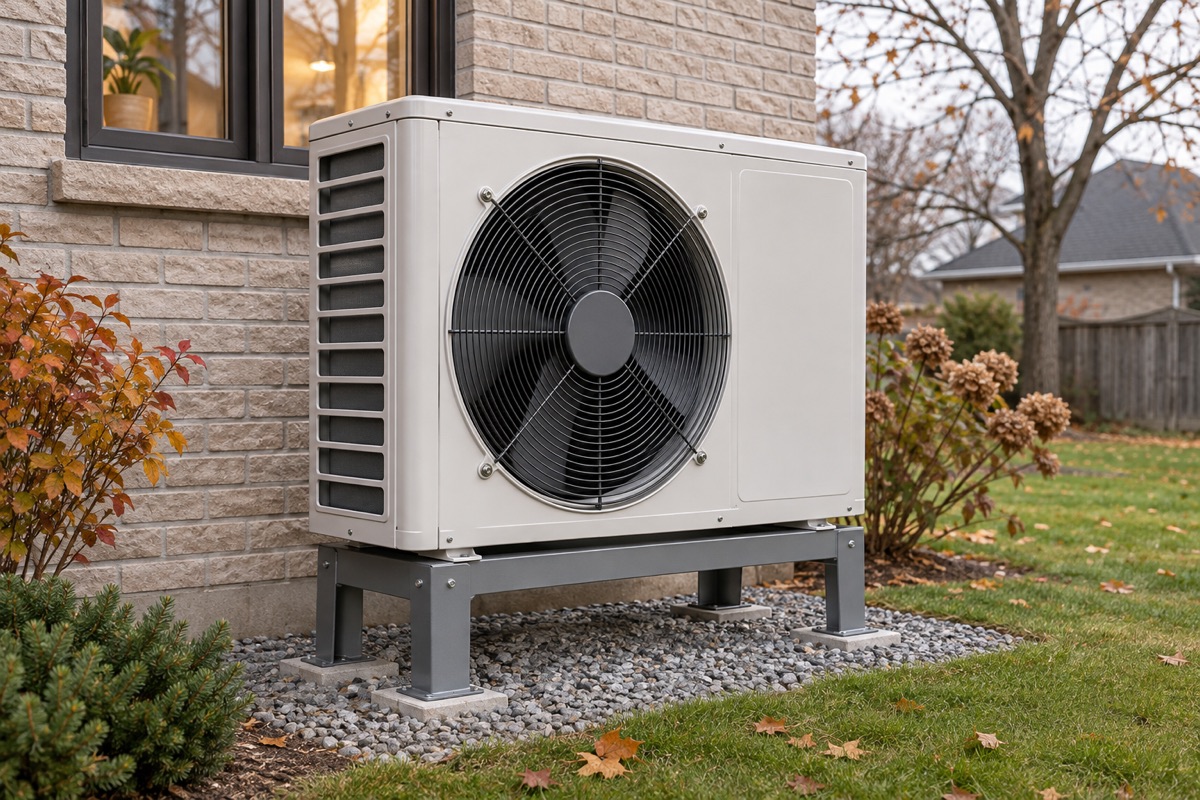
A heat pump moves heat rather than creating it in the same way as a fuel-burning furnace. In heating mode it transfers heat into the home; in cooling mode it removes heat from indoors. Equipment and system design vary, so the term heat pump does not describe a single installation that fits every house.
Your project may involve existing ductwork, a ductless arrangement or a system that works with another heat source. The right conversation begins with how the house is heated and cooled today, which rooms are comfortable and what you want to change.
Cold-weather performance belongs in the comparison
Outdoor temperature affects an air-source heat pump's heating output and efficiency. Cold-climate models are designed for lower outdoor temperatures, but the selected model's performance still needs to be matched to the home's heating requirement. A backup heat source may form part of the design.
Ask how the proposed system will operate during colder weather, which equipment provides any backup and how the controls manage the changeover. Those details are more informative than a broad claim that all heat pumps work the same way through an Ontario winter.
Look at the building before picking a model
Heating and cooling requirements depend on the property, not simply its floor area. Insulation, windows, layout and previous improvements help shape an appropriate assessment. Existing ducts, electrical service and the proposed outdoor-unit location also need attention when planning the installation.
Tell us about an addition, finished basement, room that overheats or area that is difficult to warm. Mention any planned insulation or window work. These details help keep the equipment discussion connected to the home you will actually be heating and cooling.
Compare a heat pump with your other options
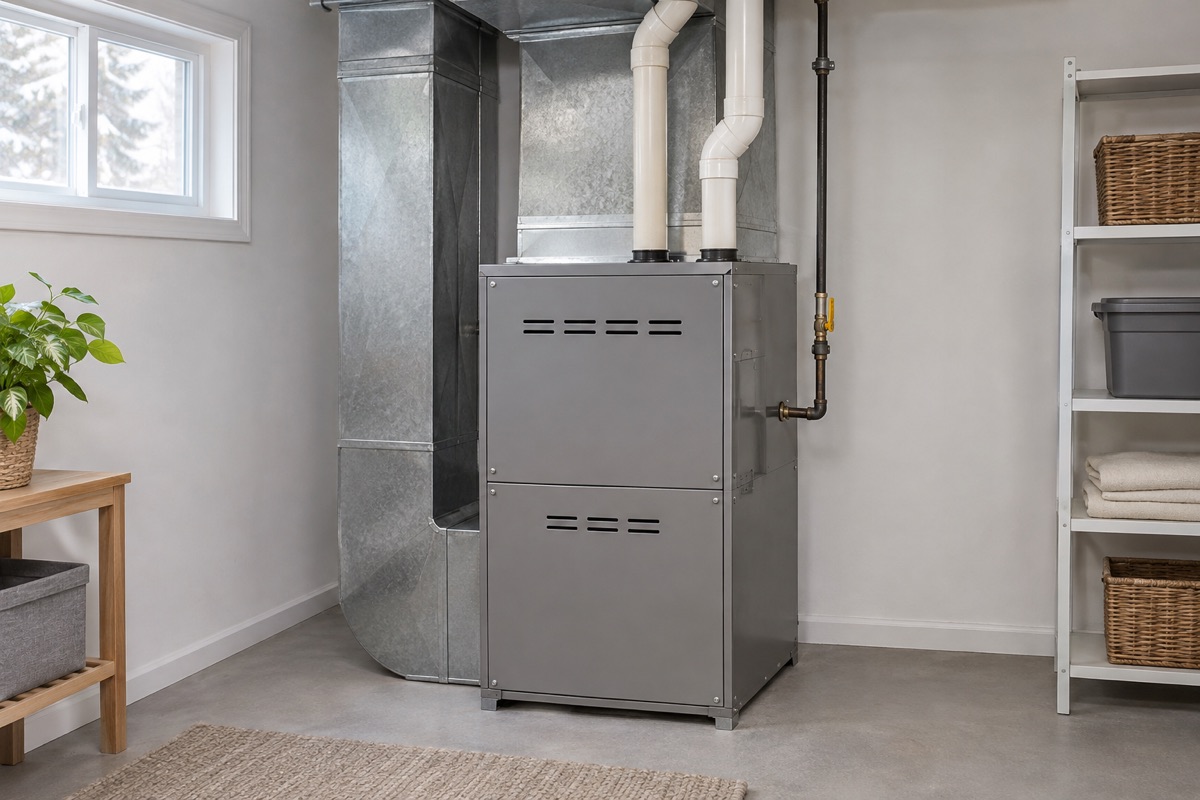
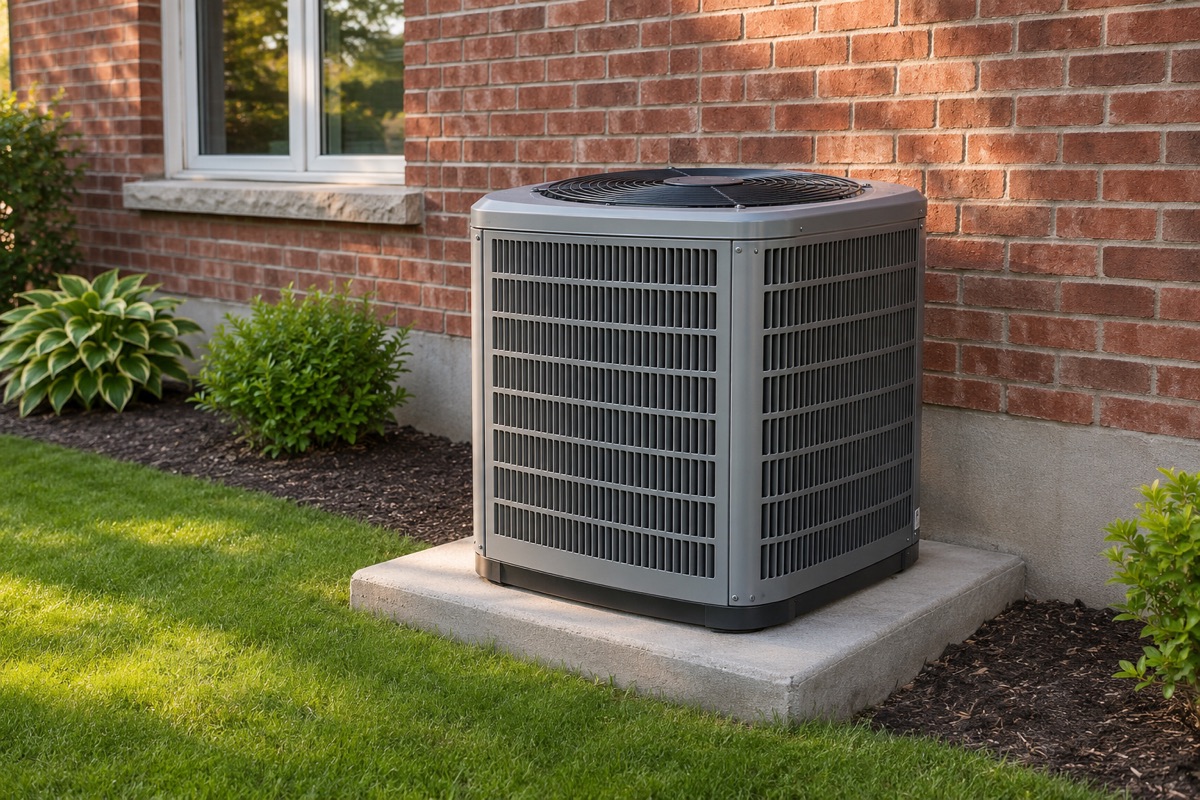
If an air conditioner is due for replacement, a heat pump is worth including in the discussion because it can also provide heating. If you are replacing a furnace, consider how a proposed heat pump would fit with the full heating arrangement. You do not need to decide on a technology before obtaining useful information.
Compare the complete installed cost, expected use, current utility rates and any required electrical or distribution changes. Running-cost estimates depend on assumptions about the home and equipment. Request those assumptions rather than relying on a promised percentage reduction in your bills.
Make the installation scope easy to understand
A written proposal should identify the indoor and outdoor equipment, controls and any additional heat source. It should also describe the connections and other work included, along with removal of equipment being replaced. Outdoor placement needs to be considered alongside access, the property layout and the manufacturer's requirements.
Ask how the system will be set up and how its controls will be explained. Confirm the maintenance requirements and review the equipment documentation. Keep the scope and model details together so competing proposals can be compared on the same basis.
Ask about available Lennox and Napoleon heat pump options and how the proposed model suits your property. Brand choice is one part of the decision; the equipment configuration and installation need equal attention.
Take the next step without guessing the terms
Call with your city, current heating and cooling setup, and the goal of the project. An assessment can establish the appropriate options before installation scope and timing are confirmed. Ask about payment choices and obtain the applicable terms in writing. Any financing eligibility or incentive availability must be checked for the specific project; it should not be assumed in your budget.