Hot water should fit the way your household lives. M&M Home Comfort supplies, installs, replaces and repairs tankless water heaters in Vaughan, Toronto and surrounding GTA communities. Whether your current unit has stopped working or you are comparing a tank with a tankless system, start with a conversation about your home, your water use and the installation involved. Call 289-637-3541 to request a free quote.
What changes when you go tankless?
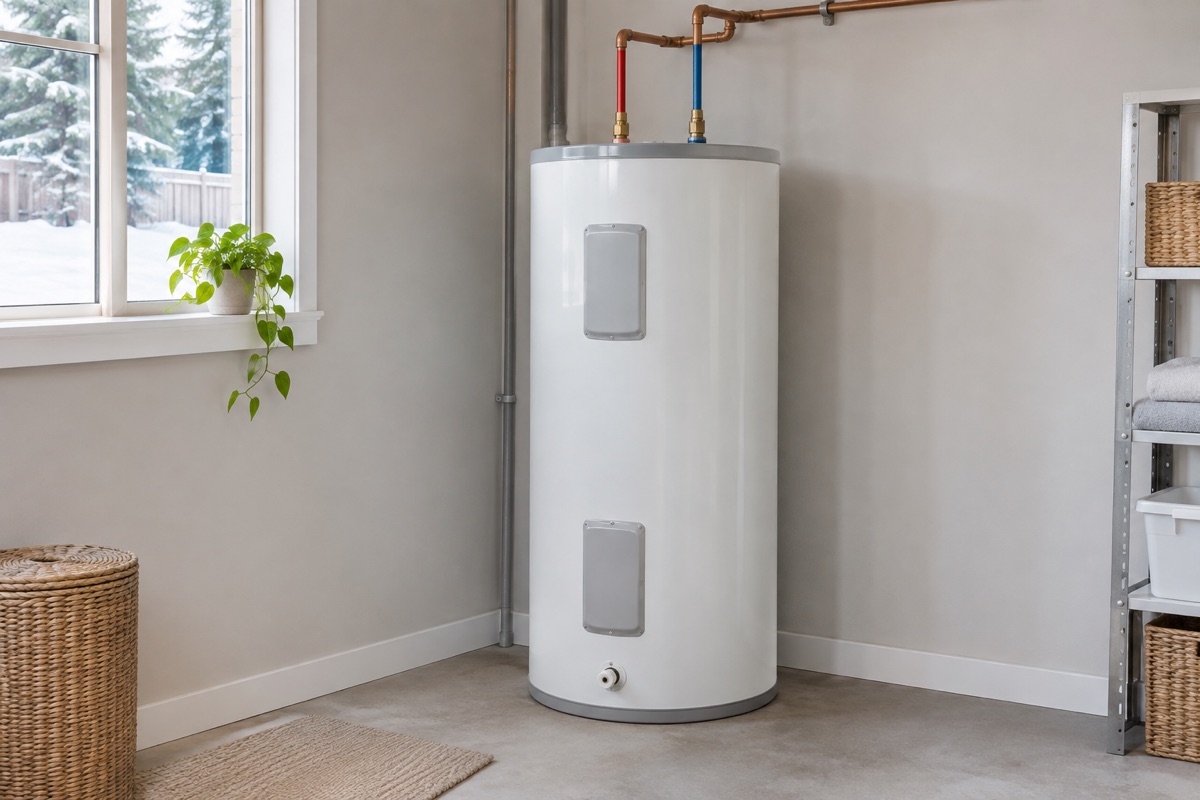
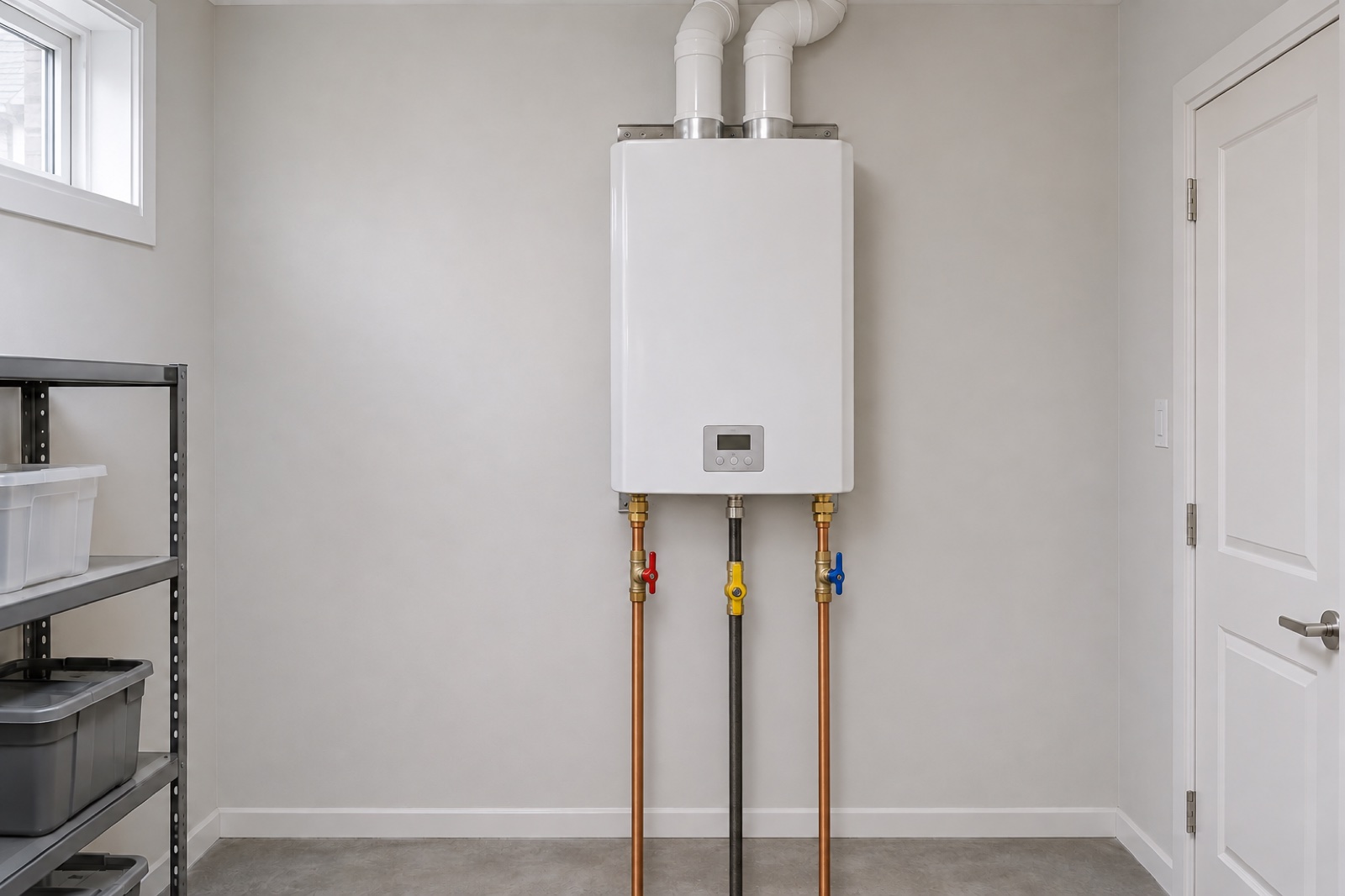
A storage water heater keeps a tank of water hot for later use. A tankless heater heats water as it passes through the unit. This removes the need for a large hot-water storage tank, but it does not make the equipment's output unlimited. The heater must still meet the combined demand of the fixtures running at the same time.
Think about your busiest morning: two showers, a laundry load and a kitchen tap may overlap. That everyday pattern is more useful than choosing a model because a neighbour has the same one. A tankless conversion also needs an installation assessment before a firm equipment recommendation.
Tank or tankless: compare the whole project
A hot water tank can remain a practical choice when the existing arrangement works well and a straightforward replacement is the priority. Tankless may appeal when you want to reclaim storage space or change how hot water is supplied. Compare the installed price, maintenance requirements and expected ownership costs alongside the equipment itself.
Ask what each quote includes: removal of the old heater, plumbing changes, venting, electrical work and any other site-specific requirements. An equipment-only price and a complete installation price are different things. If your current tank is rented, check the agreement before arranging its removal.
Sizing for your household, including winter
Tankless sizing considers simultaneous hot-water flow and the temperature rise the heater needs to provide. Colder incoming water requires more heating, so a headline flow rate is not enough on its own. The number and type of showers, tubs and other fixtures help establish realistic demand.
Tell us about a large bathtub, frequent overnight guests or a planned bathroom addition. Also mention low-flow fixtures and whether your household can stagger large water uses. These details make the conversation about suitability more useful than a simple bedroom count.
Gas and electric options need different checks
Gas and electric tankless units have different installation requirements. Gas equipment needs suitable fuel supply and venting; electric equipment needs adequate electrical capacity. Existing connections should be reviewed rather than assumed suitable for a new model. The best choice depends on the available services and the hot-water demand at the property.
A quote should identify the proposed equipment and explain any necessary changes. Ask about access for future servicing, water-treatment recommendations and the manufacturer's maintenance schedule before deciding.
Ask about Navien and Rinnai tankless options. The appropriate model depends on the home and the installation requirements, and availability is confirmed when your project is quoted.
Repair, replacement and the next steps
Inconsistent hot water, repeated error messages or a unit that will not operate are reasons to arrange an assessment. A symptom does not establish that replacement is necessary. When you call, share the model if known, what changed and whether the problem affects every fixture. Leave internal repairs and gas or electrical work to an appropriate service professional.
The process starts with your call, followed by the information needed for an assessment and written quote. Once you choose an option, installation timing and the agreed scope can be confirmed. Ask about purchase, rental or financing options; availability, eligibility and all terms need to be confirmed for your project.